We All Matter News
Man Accused of Attempted Assassination at White House Correspondents’ Dinner Appears in Federal Court
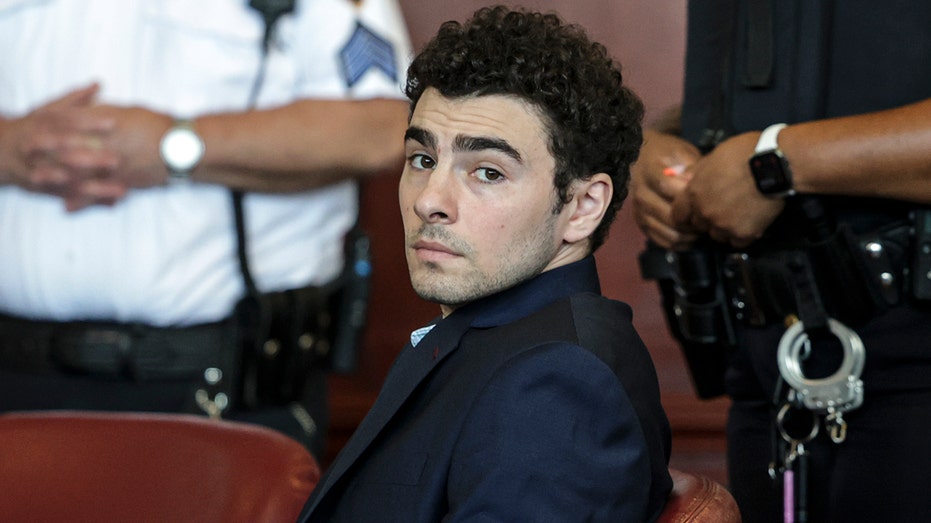
The man accused of carrying out a brazen attempted assassination at the White House Correspondents’ Association Dinner made his first appearance in federal court Monday, formally hearing the sweeping charges against him for the first time.
Cole Allen, 31, of Torrance, California, stands accused of traveling across state lines and entering the Washington Hilton armed with multiple weapons, allegedly intent on breaching the ballroom where President Donald Trump, Cabinet officials, and hundreds of journalists had gathered for the annual event.
In court, Allen—wearing a blue prison jumpsuit—faced charges that include attempting to assassinate the president of the United States, discharging a firearm during a crime of violence, and transporting firearms across state lines, according to the Department of Justice. He has not yet entered a plea and will remain in federal custody as proceedings move forward.
Federal Prosecutors Signal a Broad Investigation
Officials emphasized that Monday’s appearance was only the beginning of what they described as a far-reaching case. A detention hearing is scheduled for April 30, with a preliminary hearing set for May 11.
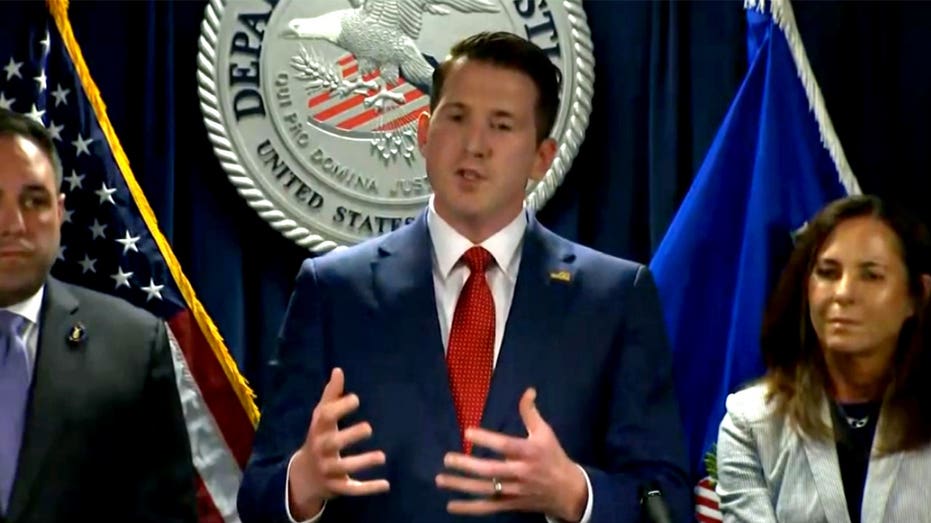
“Cole Allen’s journey of accountability in the criminal justice system starts today,” U.S. Attorney Jeanine Pirro said during a press conference, suggesting more charges could follow as investigators continue piecing together the full scope of what happened.
Pirro described the incident as a direct attack not only on an individual, but on democratic governance itself. She alleged Allen intended to kill not just the president but “as many high-ranking Cabinet officials as he could.”
The gravity of the accusations has intensified national conversations about political extremism and the growing threat of violence aimed at public officials and the press—an alarming trend that undermines democratic norms and public safety alike.
Alleged Cross-Country Plan and Armed Confrontation
According to prosecutors, Allen traveled by train from California to Washington, D.C., making a stop in Chicago before checking into the hotel just one day before the high-profile gathering. Authorities say that shortly before the shooting, he sent a written manifesto to family members detailing his alleged plan to target Trump and members of the Cabinet.
Within half an hour of the dinner’s start, Allen allegedly stormed into the hotel lobby armed with a shotgun, a handgun, and knives. Investigators say he pushed past security barricades one floor above the ballroom, where roughly 2,300 attendees—including journalists, public officials, and civic leaders—were assembled.
During the chaotic confrontation, a Secret Service agent was struck by gunfire in a ballistic vest. The agent was transported for medical care and is recovering. Allen was subdued by law enforcement officers at the scene and later taken to a hospital for evaluation. He was not reported injured.
Inside the ballroom, guests reportedly took cover under tables as Secret Service agents swiftly moved the president and Vice President JD Vance to safety. About an hour later, attendees were instructed to evacuate in accordance with security protocols, and the event was postponed.
Family Tip Helped Alert Authorities
After the shooting, Allen’s brother contacted the New London Police Department in Connecticut, reporting that he had received the alleged manifesto. Local authorities said they were notified at 10:49 p.m. and immediately alerted federal law enforcement officials, underscoring the crucial role families and communities can play in preventing violence when warning signs emerge.
Serious Charges, Severe Potential Penalties
Legal observers noted the severity of the charges, particularly the count of attempted assassination of a sitting president. If convicted on that charge alone, Allen could face life in prison. The firearms charges each carry potential sentences of up to 10 years.
Some analysts have pointed out that the current charging documents do not specifically include a separate count related to the shooting of the Secret Service agent, though prosecutors have indicated additional charges could still be filed.
“Let this be a message to anyone who thinks that Washington, D.C., is the place to act out political violence,” Pirro said. “If you are willing to do so with a firearm and cross state lines, we will find you.”
As the legal process unfolds, the case stands as a stark reminder that political violence threatens everyone—public servants, workers tasked with protecting them, and journalists exercising press freedom. Democratic societies depend on peaceful civic engagement, not terror. The coming court proceedings will test the justice system’s commitment to accountability and the rule of law in the face of extremism.