We All Matter News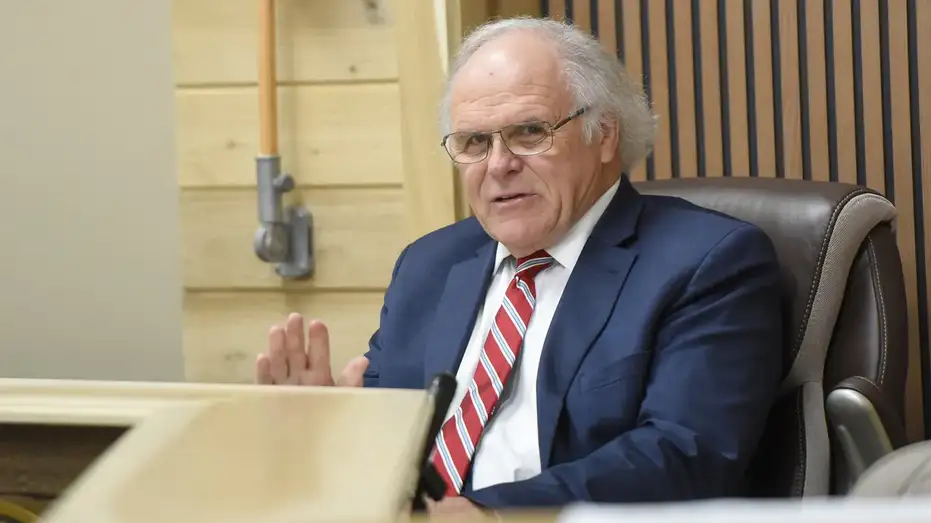
Small Georgia Town’s Police Force Reinstated After Sudden Mass Firings Spark Outrage
A small town in northwest Georgia is breathing a sigh of relief after its entire police department was reinstated Friday—just days after the mayor abruptly fired every officer, leaving the community without local law enforcement and raising serious questions about accountability and workers’ rights.
In an emergency meeting, the Cohutta Town Council voted to immediately bring back all 10 terminated employees with full back pay. The swift action came after mounting public concern and legal scrutiny over the mayor’s decision to dissolve the department without advance notice. Vice Mayor Shane Kornberg confirmed that the council also approved a temporary measure blocking the mayor from firing the officers again for at least 30 days.
The council tabled other agenda items—including a proposal to remove Mayor Ron Shinnick from office—but made clear that restoring public safety and protecting town employees from what some described as retaliatory action was the immediate priority.
A Town Left Without Protection
Just two days earlier, Mayor Shinnick ordered the police department shut down, dismissing all 10 staff members and leaving the town of roughly 1,000 residents without its own police force. A notice posted on the station door informed the public that the department had been dissolved and all personnel terminated.
In the absence of a local force, the Whitfield County Sheriff’s Office stepped in to patrol the community, located near the Tennessee border about 100 miles northwest of Atlanta. While county deputies provided temporary coverage, residents were left grappling with uncertainty about public safety and local governance.
Allegations of Retaliation
Though the mayor has not publicly detailed his reasoning, the mass firings appear connected to a dispute involving his wife, former town clerk Pam Shinnick. Officers had filed formal complaints alleging that she created a hostile work environment. According to those complaints, she also continued accessing residents’ personal information after her termination.
Town officials, including the police chief and the town attorney, had previously stated that the issue was resolved through dialogue and mediation. Yet only a week later, the entire department was dismantled—fueling suspicions of retaliation.
“This all comes down to a personal vendetta from the mayor,” former Sgt. Jeremy May told local television reporters. “We took a stand for transparency, and as a result, every one of us lost our jobs.”
For many observers, the sequence of events raises troubling questions about ethical leadership and the misuse of executive authority to silence criticism. When public employees speak up about workplace concerns—especially those involving access to sensitive public data—they deserve due process, not dismissal.
Charter Violations and Democratic Checks
According to Vice Mayor Kornberg, the town’s attorney advised the council that the firings did not comply with Cohutta’s town charter. The charter reportedly requires 30 days’ notice before employees can be suspended or terminated.
After consulting privately about potential legal consequences, council members returned to the chamber—without the mayor, who did not rejoin the meeting—and voted to reinstate the officers.
The episode underscores the importance of democratic guardrails in even the smallest communities. Local governments function best when authority is balanced, charter rules are respected, and workers are protected from arbitrary decisions. When those norms break down, it’s working people—and the public they serve—who pay the price.
For now, Cohutta’s police officers are back on duty, and residents once again have a functioning department. But the controversy has left lingering concerns about leadership, accountability, and the rights of public employees to speak out without fear of political retaliation.
As small towns across America grapple with strained budgets, public safety needs, and trust in local institutions, Cohutta’s experience is a stark reminder: democracy isn’t just about elections—it’s about transparency, fairness, and standing up for workers when power is abused.